123 Main Street, New York, NY 10001
“Aburo Mi” means my younger sibling or my little sister in Yoruba, a language in Nigeria.”
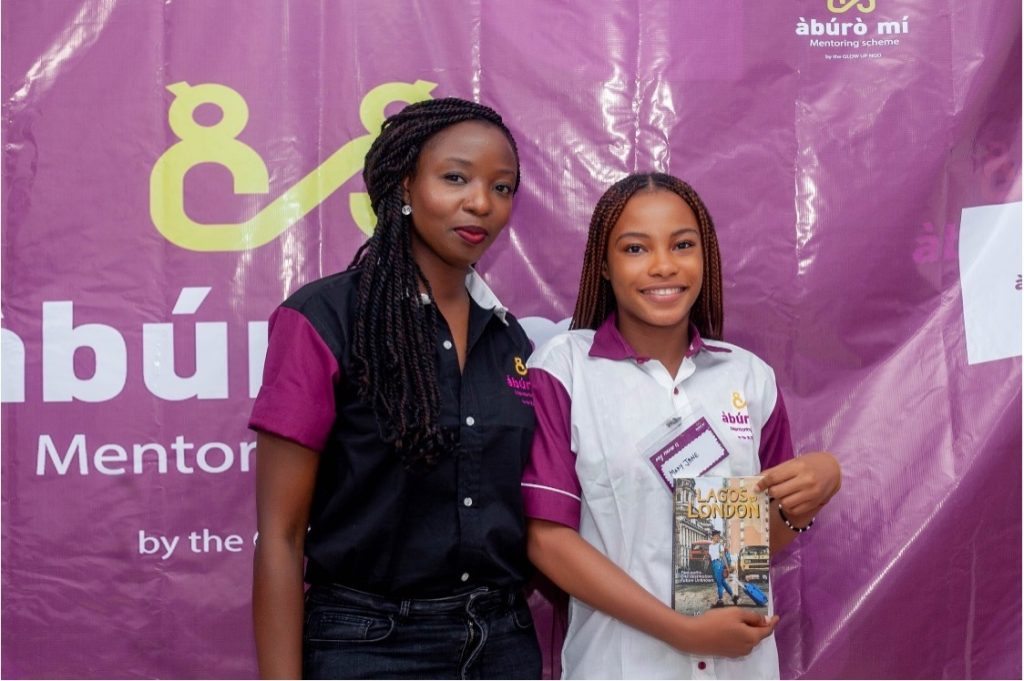
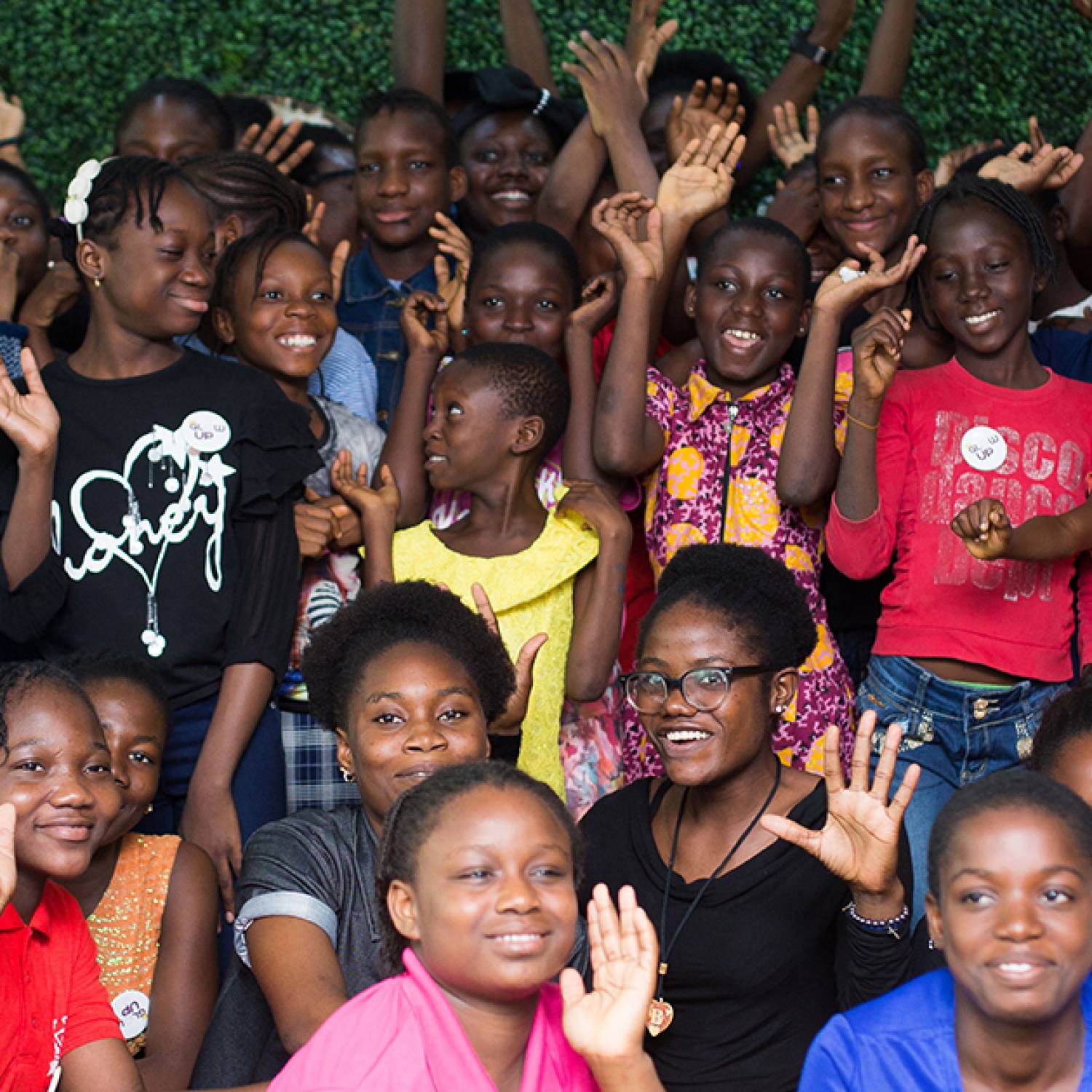
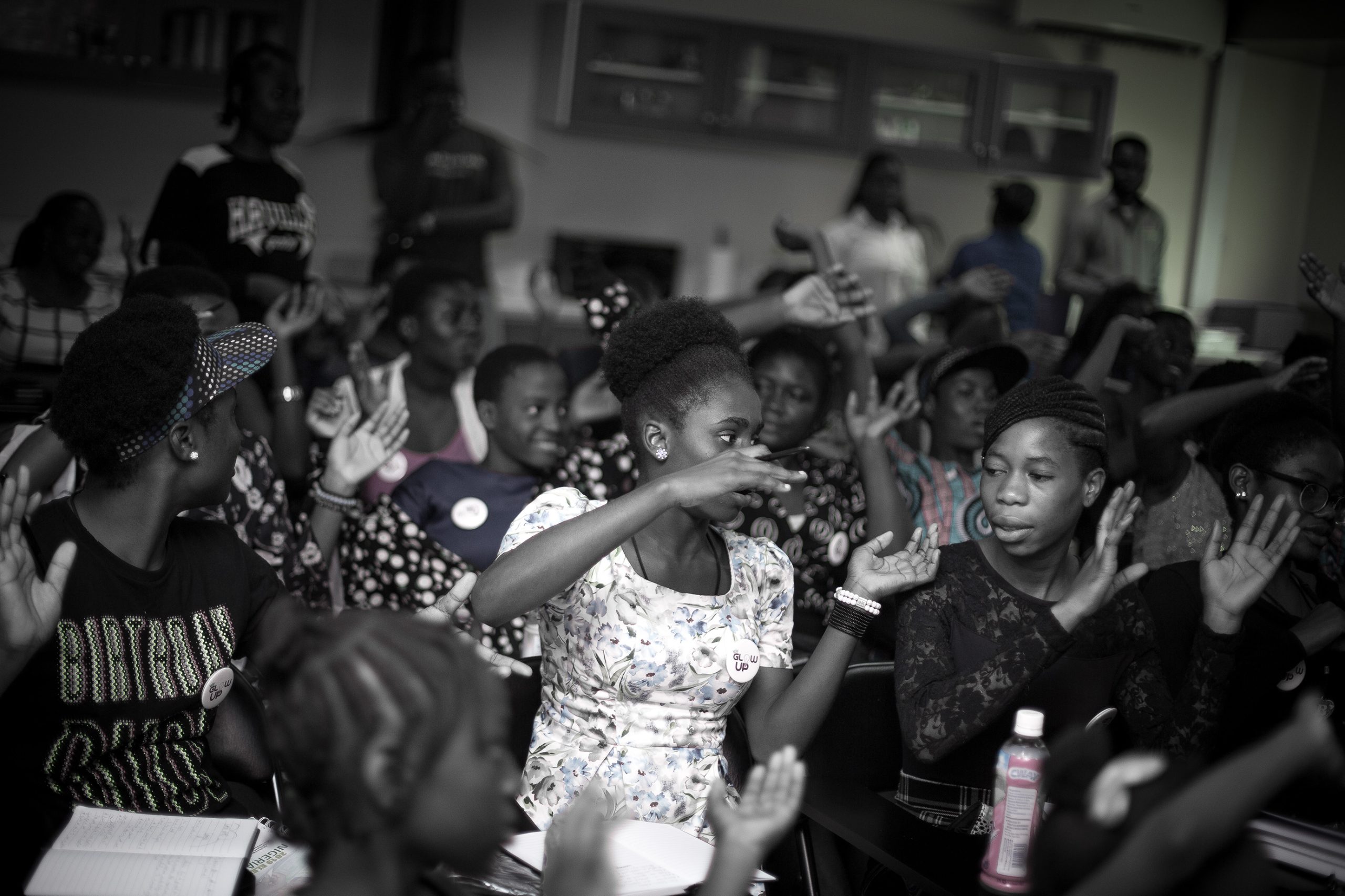
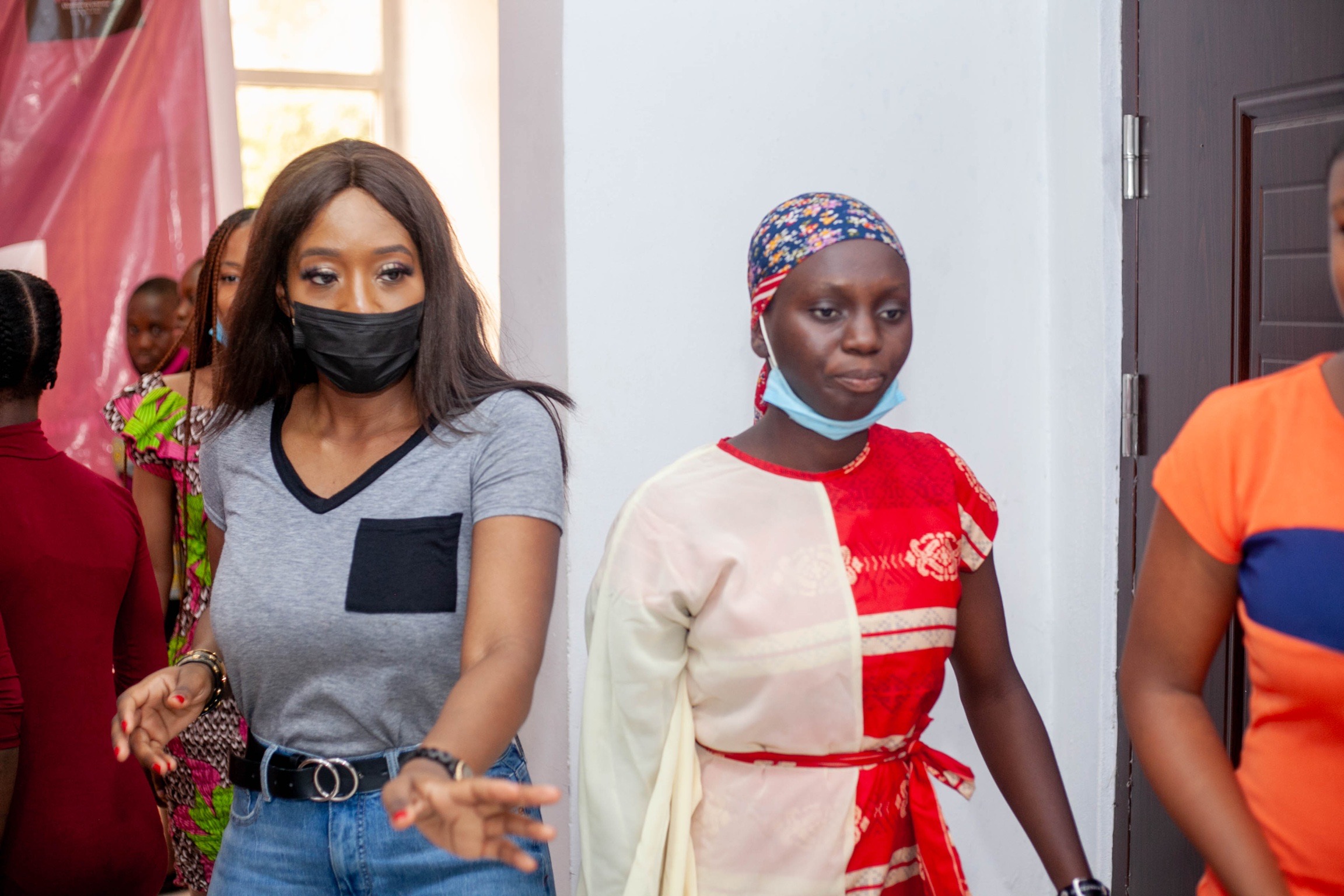
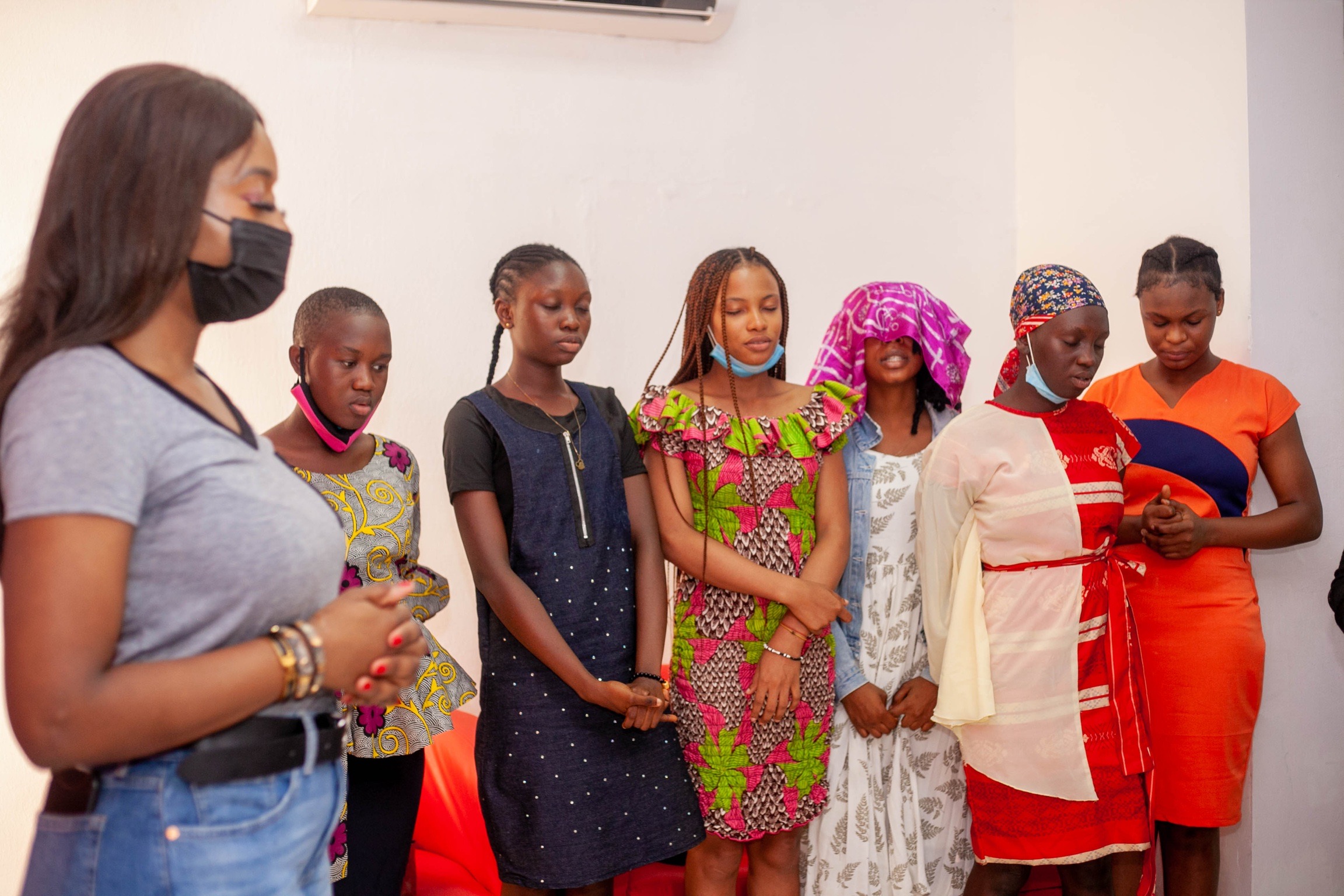
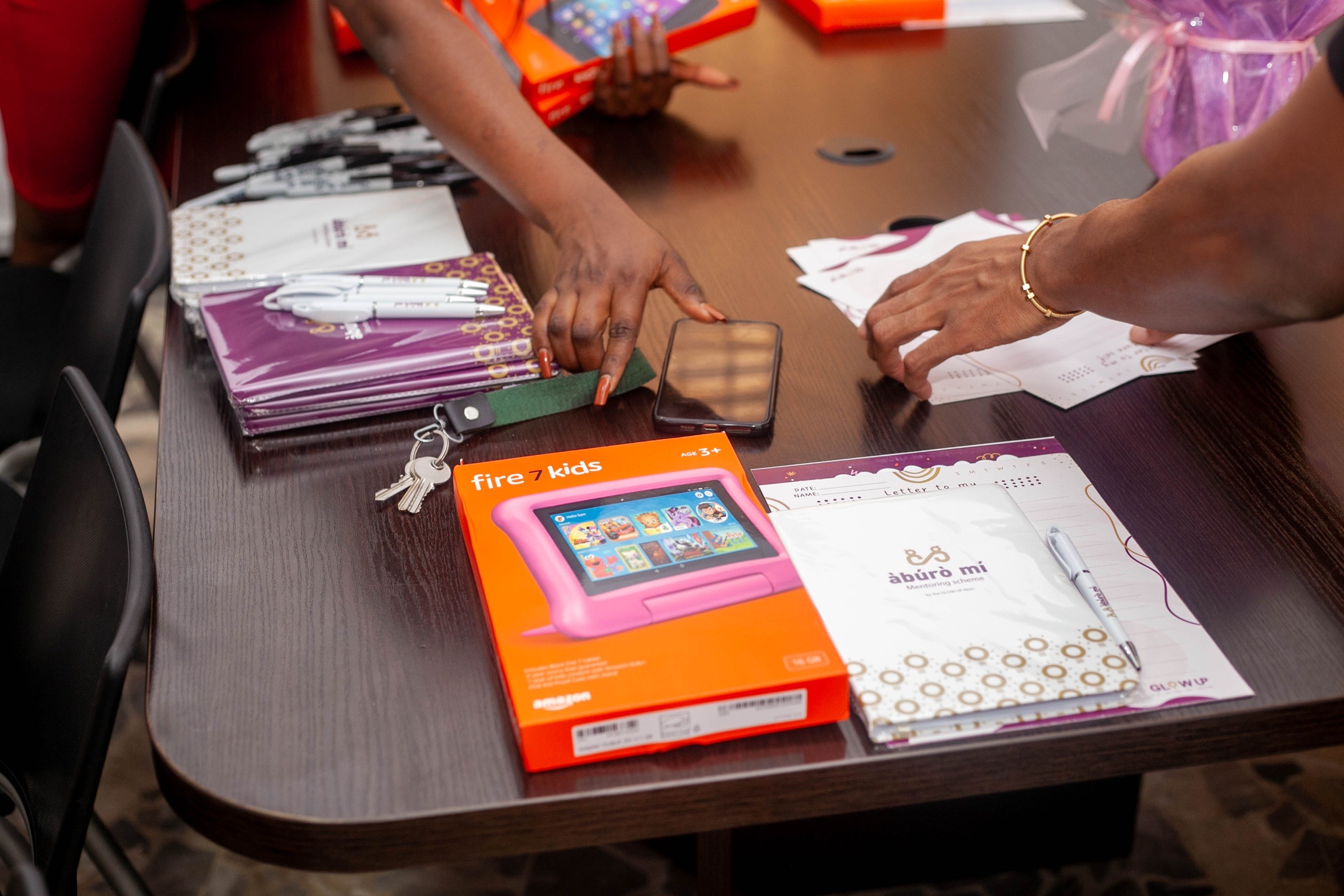
The Aburo Mi Mentoring Scheme is a 12-month one-to-one mentoring program dedicated to female orphans (ages 15-25) across four main development areas based on insight and feedback:
Mentorships are unique relationships that are most often developed in a professional atmosphere. They are designed to help the mentee learn new skills, network and become more successful in their careers. Our mentor-mentee pairing is data-driven based on personality types, mentee aspirations, mentor professional and/or academic background, any synergies identified between areas of need and areas of expertise. Due to the abandonment, neglect, rejection by or loss of a parent(s) from a young age, these girls face unique challenges that often lead to insecurities, low self-esteem and ultimately despair. They often find it difficult to completely integrate into society.

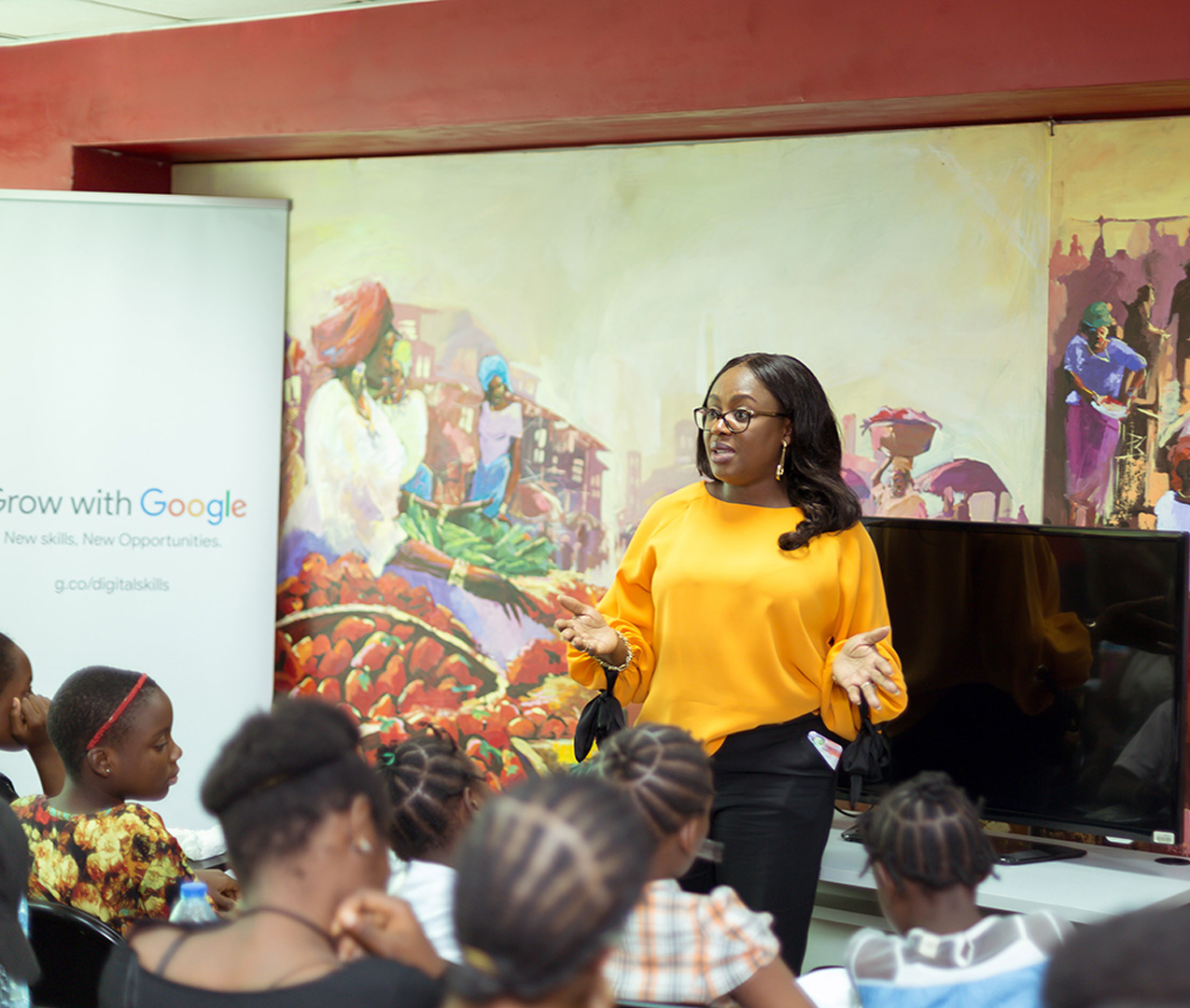
Create a pipeline of digitally savvy young female leaders that are equipped, qualified, and empowered to secure the best opportunities including scholarships to universities, internships, and funding for small businesses.
Create a pipeline of digitally savvy young female leaders that are equipped, qualified, and empowered to secure the best opportunities including scholarships to universities, internships, and funding for small businesses.
For mentees: Ready to unlock your full potential and align with your big dreams? Register with the Aburo Mi Mentoring Scheme today
For mentors: Do you want an opportunity to give back to the younger generation by providing guidance, direction, advice on their development journey? Register with the Aburo Mi Mentoring Scheme today. For further questions, please do not hesitate to get in touch.
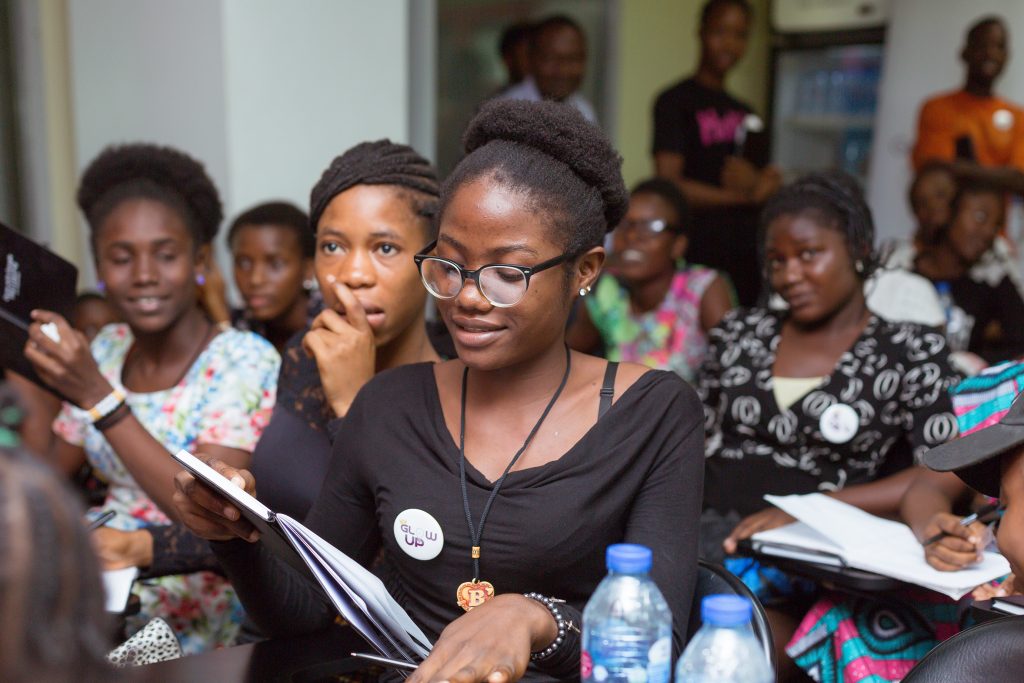
The evidence is clear: gender equality is critical to business performance and sustainable economic growth globally. According to the United Nations, unleashing the full potential of women and girls could add more than $12 trillion dollars to global GDP, drive significant positive impacts on business productivity and the bottom line, and support families and communities around the world. Women from underrepresented communities (such as orphanages and foster home communities) are missing in most corporate jobs and professions. For example, focusing on professions in the technology sector, Tech Crunch cites only 9% of Apple employees, 4% of Facebook employees, and <4% of Google employees are women. These numbers reduce significantly when we focus on metrics for women from challenging backgrounds.
Girls that have been abandoned, neglected, rejected by their parents, or lost their parents from a young age face unique challenges that often lead to insecurities, low self-esteem and ultimately despair. They often find it difficult integrating completely into society. There is limited data and transparency into the proportion of girls who are raised through orphanages and the foster care system, who excel in the educational system, and progress into the most competitive universities, most competitive jobs, and end up gaining recognition as successful professionals and/or entrepreneurs.
Your generosity is greatly appreciated. Every $1 takes us one step closer to furthering the economic and personal development of women from all sectors, whilst building the pipeline of fulfilled and accomplished young female leaders.
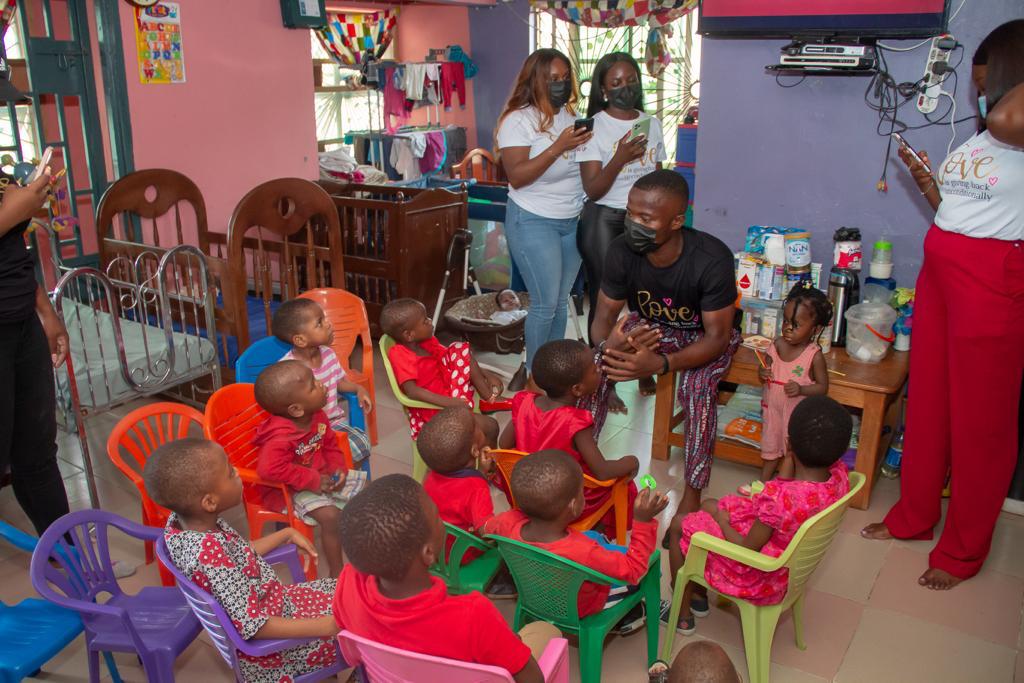
UNICEF estimates that there are 153 million children worldwide that are orphans (2017), ranging from infants to teenagers, have lost one or both of their parents. UNICEF also cites that Children represent roughly a third of the world’s population but account for almost half of all people living in extreme poverty. 263 million children and youth are out of school – 61 million are primary school age, 53% of them are girls (2017). Nearly 13 million orphans — who have lost both parents — are now living in orphanages or on the streets. These children lack the care and attention required for healthy development, resulting in a greater risk for disease, malnutrition, and even death. HIV/AIDS has orphaned 17.9 million children, the majority of whom reside in Sub-Saharan Africa and Southeast Asia.